
The Chic Edit
For the Woman Becoming Herself
For years, Paris Hilton was presented to the world as glitz, glamour, and excess. Known for her famous early-2000s catchphrase, “That’s hot,” Hilton became a cultural icon and a trendsetter whose image often overshadowed her humanity.
Only in recent years did Hilton begin speaking openly about the abuse and trauma she endured as a teenager, revealing how deeply her autonomy was stripped away long before fame found her. In a 2020 interview with CBS News Sunday Morning, Hilton told Tracy Smith, “I’m not a dumb blonde. I’m just really good at pretending to be one,” acknowledging that the persona the world consumed was, in many ways, a performance.
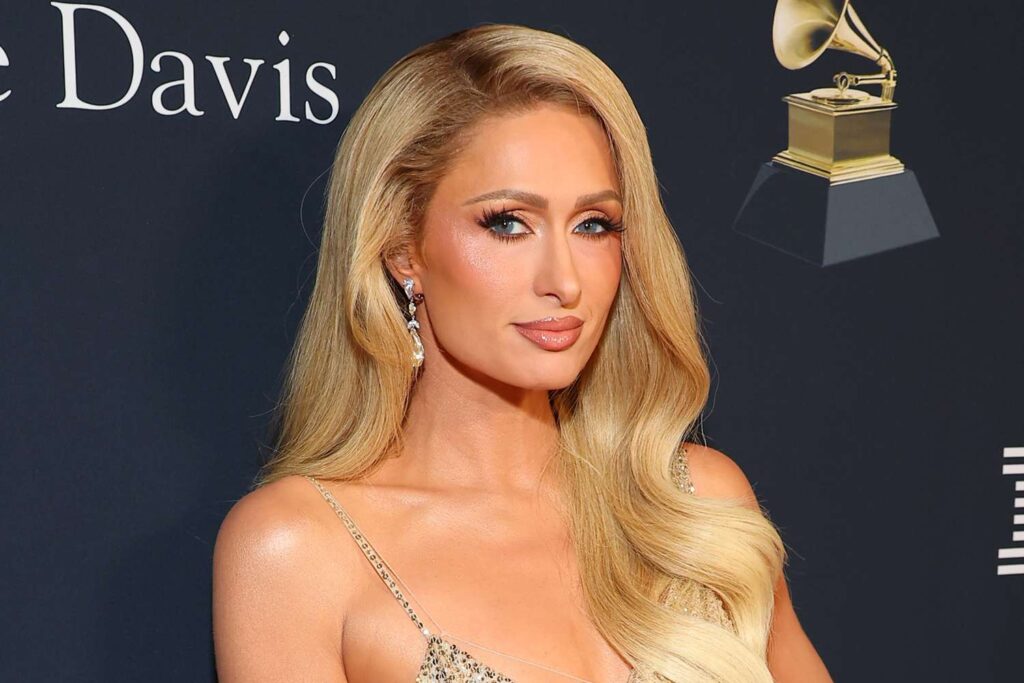
Her documentary, This Is Paris, goes even deeper, confronting the disconnect between how she was perceived and who she actually was. Now, Hilton is stepping into a different kind of visibility that moves beyond image and into impact. Over the past five years, Paris Hilton has traveled to Washington, D.C., advocating for the protection of children and helping pass more than 20 state laws, along with two federal bills. One of the most recent is the DEFIANCE Act.
By championing the DEFIANCE Act, alongside Representatives Alexandria Ocasio-Cortez and Laurel Lee, Hilton is helping pioneer protections for women against nonconsensual AI-generated intimate imagery, affirming a woman’s right to bodily and digital autonomy in an era where technology can weaponize identity.

The DEFIANCE Act gives victims of nonconsensual intimate digital forgeries (including AI-generated “deepfake” images) the legal right to seek justice against those who create, knowingly share, or possess these images with intent to distribute, without consent (DEFIANCE Act of 2025 H.R 3562)
Specifically, the DEFIANCE Act of 2025 (H.R.3562):
- Recognizes nonconsensual AI-generated intimate images as image-based sexual abuse
- Allows victims to bring a civil lawsuit in federal court
- Enables courts to order the removal and destruction of the images
- Provides for significant damages, including statutory damages and legal fees
- Protects victims’ privacy, including the option to sue under a pseudonym
- Applies even if the image is labeled “fake” — because harm does not disappear with disclosure

The DEFIANCE Act marks a turning point, signaling that innovation without accountability is no longer acceptable. This moment is not about celebrity, but about choice. It is about recognizing that no woman should have her body, image, or identity used against her – whether by institutions, culture, or code. As the digital world continues to blur the line between real and fabricated, the Defiance Act stands as a reminder that autonomy must remain nonnegotiable.
As legislation like the DEFIANCE Act moves the conversation forward, it joins a growing lineage of survivor-led advocacy shaping the future of women’s rights. From Amanda Nguyen’s Sexual Assault Survivors’ Rights Act, which transformed how evidence and dignity are preserved within the justice system, to emerging protections addressing digital harm, these efforts reflect a broader cultural reckoning – one where autonomy, physical, emotional, and digital, is no longer negotiable, but protected. From performance to policy, the fight for autonomy has entered a new chapter.
https://www.congress.gov/bill/118th-congress/senate-bill/3696
— Minahil Erkin
Founder, Moda Chic Magazine
Defiance, Defined: What This New Law Means for Women’s Safety
January 29, 2026
