
The Chic Edit
For the Woman Becoming Herself
Michelle Obama’s conversation with Alex Cooper on Call Her Daddy was ostensibly about her new book, The Look, but the most revealing moments had little to do with fashion. What surfaced instead was a quiet but unmistakable truth: women are still expected to manage how they are perceived before they are allowed to exist as they are.
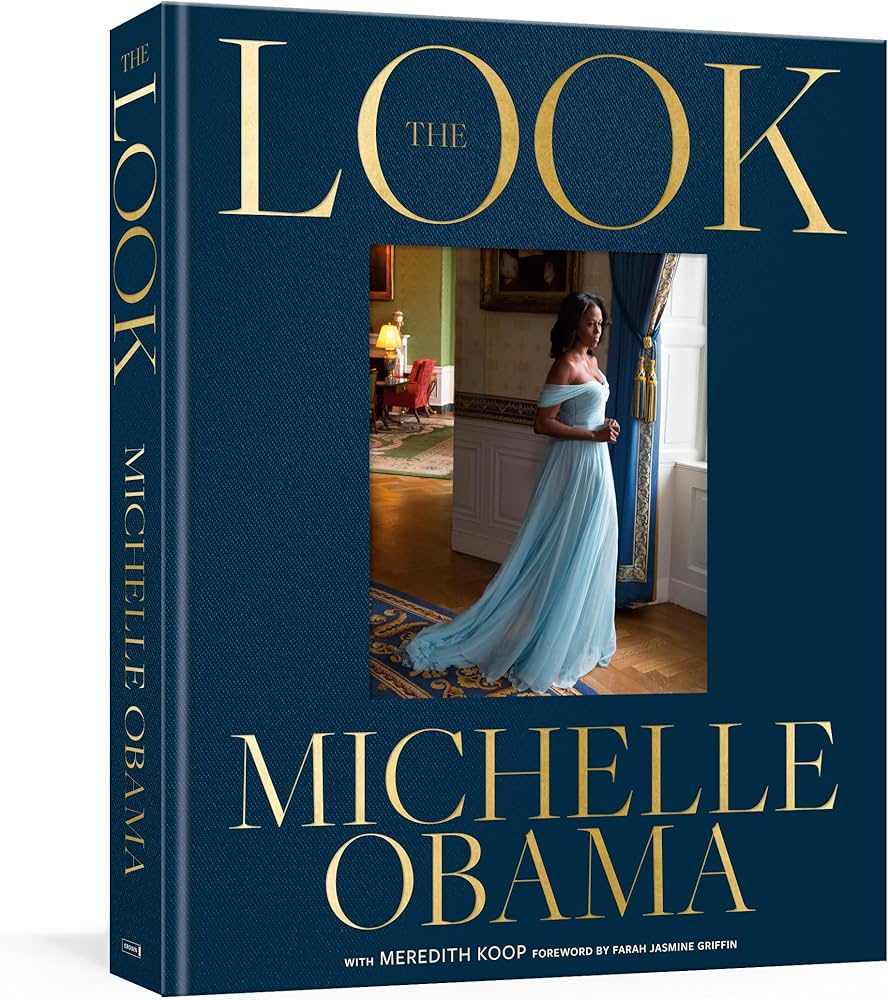
Image: Official, The Look, Release Photo
From the outset, the discussion framed appearance not as vanity but as a mechanism of control. When Alex Cooper observed that culture often attacks women’s physical appearance to “put them in their place,” she articulated a reality so normalized it is rarely questioned. Appearance becomes a tool through which authority is negotiated. It determines who is taken seriously, who is dismissed, and who is deemed threatening.
Michelle Obama’s public life offers a particularly stark example. Despite formidable credentials: Ivy League education, legal career, executive leadership, and so much more…media narratives frequently centered on how she looked, sounded, or moved rather than what she accomplished. Passion was recast as anger, strength as intimidation, humor as hostility. The pattern reveals less about any individual woman and more about a cultural discomfort with female power that does not present as soft or deferential.

Image: Alex Cooper, Source: UTA Speakers
Rather than attempting to dismantle every mischaracterization, Michelle described a strategic form of compartmentalization. The goal was not to win the perception battle but to refuse to be defined by it. Her observation that women may have to “work your fascination to your advantage” reflects an uncomfortable reality: visibility is rarely neutral. When scrutiny cannot be avoided, it must be navigated.
What makes this navigation particularly complex is that it begins early and operates at multiple levels. Women learn to adjust their tone, posture, presentation, and ambition often before they recognize they are doing so. In the interview, this adaptability was framed not as manipulation but as survival. The expectation to shape-shift is embedded so deeply that resisting it can carry social or professional costs.
Yet the conversation also made clear that adaptation has limits. Compromise becomes dangerous when it obscures identity. The question Michelle posed, “Who is this person? Can you trust them?” speaks to the internal disorientation that can arise when external approval becomes the primary guide for behavior. Maintaining integrity, in this context, is not about stubbornness; it is about coherence.
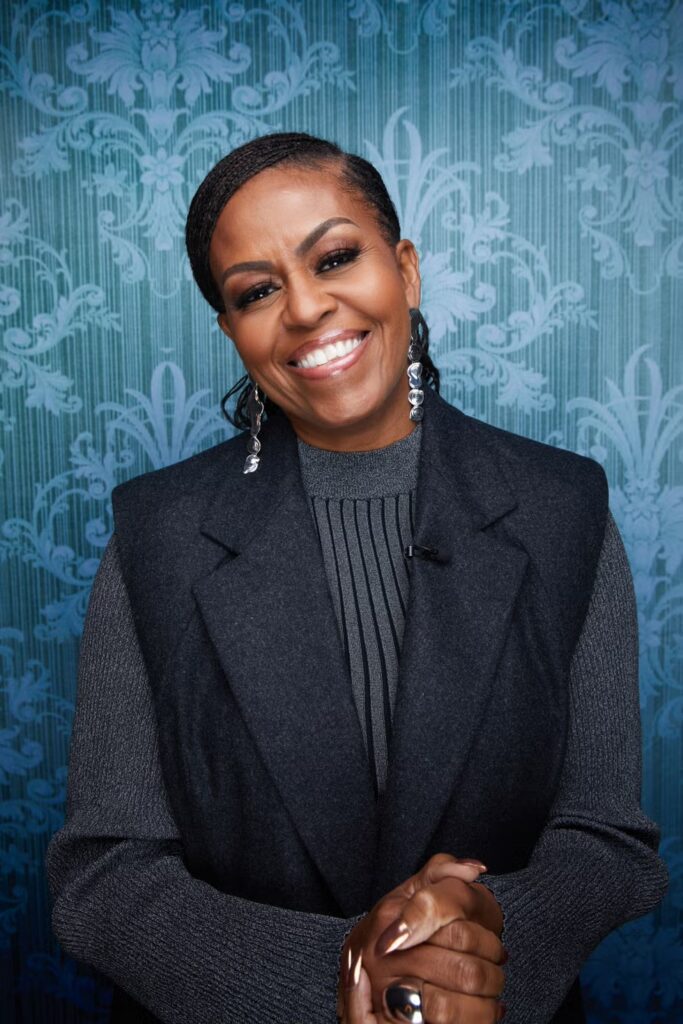
Image: Michelle Obama, Source: Oprah Daily
Aging emerged as another axis along which women’s value is contested. While men are often permitted to age into authority, women encounter pressure to preserve youth as proof of relevance. The multibillion-dollar anti-aging industry thrives on the implication that time diminishes women in ways it does not diminish men. The interview challenged this premise by reframing aging as accumulation rather than decline.
Equally revealing was the discussion of fulfillment and relationships. Michelle reflected on how easily even well-intentioned questions such as asking daughters whether they are dating reinforces the idea that a woman’s life is defined by attachment rather than self-development. These expectations are rarely explicit; they are transmitted quietly through habit. Over time, they shape how women measure success and belonging.
Underlying all of this was a recognition of exhaustion. Modern women are expected to excel simultaneously as professionals, partners, caregivers, and individuals pursuing personal growth. The demand for total performance across every domain creates a permanent state of insufficiency. Rest is framed as failure, moderation as lack of ambition. Yet sustainability requires limits, and limits require permission often self-granted.

Image: Alex Cooper, Source: The Britannica
Michelle’s emphasis on cultivating a “kitchen table” of trusted relationships offered an alternative to the isolation that such pressure produces. In a culture that frequently positions women as rivals, intentional community becomes a stabilizing force. Support networks are not merely emotional luxuries; they are structural protections against burnout and self-doubt.
When asked whether her famous phrase “When they go low, we go high” still applies, Michelle’s response underscored another misconception about strength. Dignity does not require emotional suppression. Acknowledging anger, disappointment, or fear does not negate composure; it humanizes it. Restraint is meaningful only when it is chosen, not imposed.
The question of whether the United States is ready for a female president ultimately returned the conversation to its central theme: perception shapes possibility. Resistance to female leadership reflects enduring assumptions about authority, temperament, and legitimacy. Progress is occurring, but cultural attitudes evolve more slowly than laws or institutions.
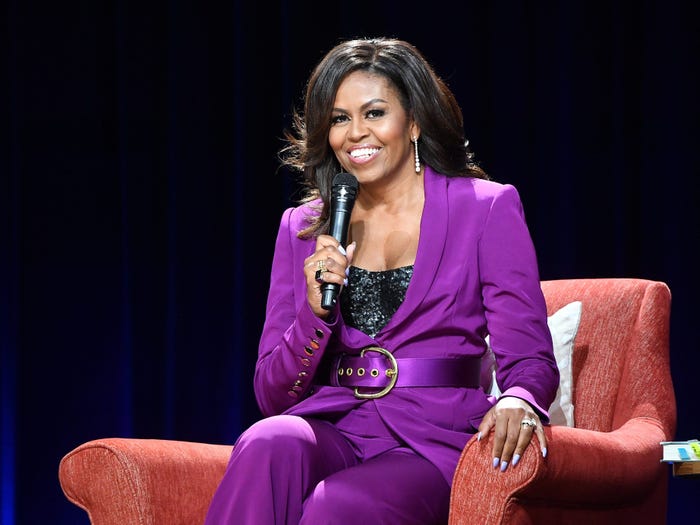
Image: Michelle Obama, Source: Paras Griffin / Getty Images
Taken together, the interview suggests that the central challenge facing women today is not simply inequality, but interpretation. Women are observed before they are understood, evaluated before they are heard. Appearance, behavior, and personal choices are treated as public property, open to commentary and correction.
The lesson of The Look, then, is not about clothing at all. It is about the discipline required to remain intact under constant observation, and to engage with the world without allowing its expectations to fragment one’s sense of self.
Visibility is not the same as recognition. And recognition, ultimately, depends not on how convincingly a woman performs, but on whether she is allowed to be perceived as fully human in the first place.
Minahil E
Michelle Obama, The Look, and the Discipline of Remaining Intact
February 25, 2026
